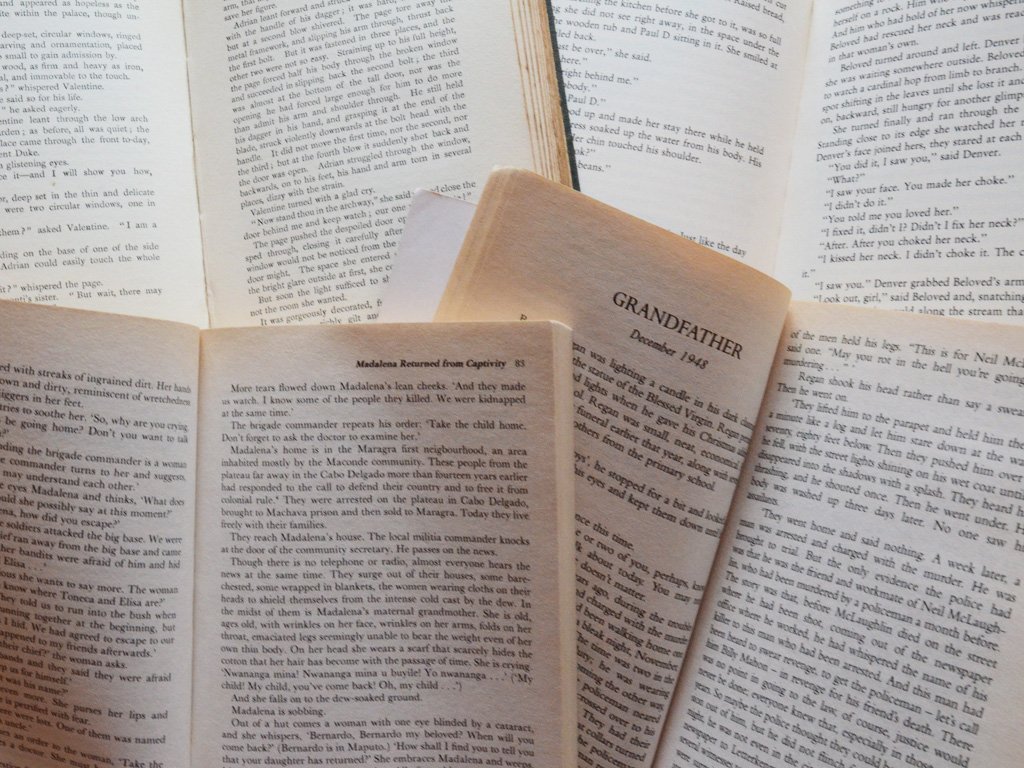
The subtle hum of a perfectly turned phrase, the invisible grip of a character’s inner turmoil, the sudden jolt of recognition from a story that mirrors your own—this is where the artistic and emotional value of prose in literature and storytelling truly shines. Prose, often taken for granted in its ubiquity, is far more than just words on a page; it's the very canvas upon which our deepest thoughts, most complex emotions, and most enduring narratives are painted. It’s the engine that drives empathy, challenges our perspectives, and connects us across time and space.
Think of the vivid worlds conjured by Dickens, the sharp wit of Austen, or the raw honesty of a compelling memoir. These aren't just stories; they're experiences crafted with deliberate artistry, designed to evoke specific feelings and ideas. Without the thoughtful structure, rhythm, and word choice of prose, these experiences would fall flat, losing their power to inform, persuade, and transform us.
At a Glance: The Enduring Power of Prose
- Beyond Basic Communication: Prose is the artful arrangement of language for profound impact, not just information.
- The Empathy Engine: It allows us deep access to characters' inner lives, fostering understanding and compassion for others.
- A Vehicle for Change: Prose challenges societal norms, sparks crucial conversations, and helps us confront uncomfortable truths.
- Crafting Worlds: It uses imagery, syntax, and rhythm to build immersive, sensory experiences for the reader.
- Timeless Relevance: Despite the digital noise, well-crafted prose continues to bridge divides and offer unique human connection.
- Author's Responsibility: Writers hold the power to shape minds and hearts through honest, empathetic storytelling.
Beyond Words: What Exactly Is Prose?
At its most fundamental, prose is language that mirrors natural speech patterns, structured by grammar and syntax to convey ideas and narratives directly. Unlike the deliberate line breaks and specific rhythmic patterns of poetry, or the dialogue-driven format of playwriting, prose adheres to the flow of everyday language, making it inherently accessible.
Yet, this apparent straightforwardness belies a profound capacity for artistic expression. Its key elements—syntax (how words are arranged), grammar (the rules governing sentence structure), and paragraph structure (how ideas are organized for coherence)—are not merely technicalities. They are the scaffolding upon which a writer builds meaning, evokes emotion, and shapes a reader's experience. Whether it’s the crisp, declarative sentences of a news article or the meandering, introspective paragraphs of a stream-of-consciousness novel, every choice in prose contributes to its overall effect.
The Many Hats of Prose: Different Forms, Different Feelings
Prose isn't a monolith; it’s a versatile chameleon, adapting its form and function to its purpose. Understanding these different guises helps us appreciate its varied artistic and emotional impacts.
Narrative Prose: The Heartbeat of Storytelling
This is perhaps the most familiar and beloved form. Narrative prose, found in novels, short stories, and memoirs, tells a story, complete with characters, plot, and settings. It invites us into imagined worlds or compelling real-life experiences. Think of Charles Dickens' "Great Expectations," where the intricate dance of syntax and vivid description brings Victorian England and its inhabitants to life. Or Jane Austen's "Pride and Prejudice," where the precision of her prose captures the social nuances and romantic tensions of her era. This type of prose is designed to transport, to engage us with human drama, and to make us care deeply about the fates of fictional beings.
Beyond the Story: Informing, Describing, and Persuading
While narrative prose captures our hearts, other forms engage our minds and senses in different ways:
- Expository Prose: This form aims to inform or explain. Found in essays, textbooks, and news articles, its artistic value lies in its clarity, logical structure, and ability to distill complex information into digestible insights. The careful organization of paragraphs and precise language ensure the reader grasps the intended message without confusion.
- Descriptive Prose: As its name suggests, this type vividly portrays people, places, objects, or ideas. Its power lies in its sensory detail and evocative language, painting pictures with words. It's often woven into narrative prose, but standalone descriptive passages can be works of art in themselves, allowing a reader to practically see, hear, smell, taste, and touch the scene.
- Persuasive Prose: The goal here is to convince or influence. Speeches, editorials, and even advertising rely on persuasive prose. Its artistry comes from its rhetorical power, its ability to construct arguments, appeal to logic and emotion, and guide the reader towards a particular viewpoint.
In modern contexts, prose truly is ubiquitous. Bloggers use conversational prose to build rapport, journalists employ clear syntax for objective fact-reporting, and essayists leverage vivid descriptions and carefully structured arguments to explore complex themes. Even our daily emails and social media posts, though often informal, are forms of prose, underscoring its fundamental role in human communication and self-expression.
Unlocking the Soul of Story: The Artistic Value of Prose
The artistry of prose goes beyond simply conveying a message; it transforms mere words into an experience. It’s the difference between a functional drawing and a masterpiece that stirs the soul.
Crafting Worlds with Words: Imagery and Sensory Detail
A master of prose doesn't just tell you about a gloomy castle; they show you the "jagged teeth of its ramparts tearing at the bruised sky," or describe "the metallic tang of rain on ancient stone, the whisper of forgotten legends in the wind." This is the power of imagery and sensory detail, crafted through careful word choice (diction) and evocative phrasing. It builds vivid scenes, engages all five senses, and pulls the reader fully into the story's setting, making it feel real and immersive. The artistic triumph here is in making the imagined palpable.
The Architecture of Ideas: Style and Structure
The way a writer arranges words, sentences, and paragraphs creates a unique style—a literary fingerprint. Consider the clipped, direct prose of Ernest Hemingway versus the flowing, elaborate sentences of Virginia Woolf. Both are artistic, yet achieve vastly different effects. Syntax plays a crucial role: short, staccato sentences can build tension or convey urgency, while longer, more complex sentences can create a meditative or reflective mood.
Even without the strict meter of poetry, prose has a rhythm, a cadence that influences how we read and feel. Skillful use of dialogue and internal monologues also adds artistic depth, revealing character, advancing plot, and exploring inner psychology without explicit authorial intrusion. It’s an intricate dance of form and function.
Precision and Nuance: Saying Exactly What You Mean (and More)
The exact word choice, or diction, in prose is a precise instrument. A writer doesn’t just use "walked"; they might use "strolled," "shuffled," "marched," or "sauntered," each conveying a distinct nuance of mood, character, and pace. This precision allows prose to explore subtle emotions, complex motivations, and abstract ideas with remarkable clarity. The artistic value lies in this ability to articulate the ineffable, to capture the shades of meaning that lie just beneath the surface of everyday language.
The Unseen Cord: The Emotional Value of Prose
While artistry delights and impresses, the emotional value of prose truly resonates, forging deep connections between author, character, and reader. This is where prose transcends mere entertainment and becomes a powerful force for understanding and change.
Walking in Another's Shoes: The Empathy Engine
One of the most profound emotional contributions of prose, particularly in narrative literature, is its capacity to cultivate empathy. As bestselling author and Distinguished University Professor Thrity Umrigar notes, novels are "emotional mediums" that offer "interiority"—a deep dive into a character's inner life. Through carefully constructed prose, readers gain unparalleled access to a character's thoughts, fears, joys, and struggles.
This intimate access "softens hearts, fosters empathy, and opens readers to new ideas and the pain of others," as Umrigar explains. When we read a fully and honestly told character story, it often becomes a "universal narrative," allowing us to recognize shared human experiences despite cultural or personal differences. Umrigar's experience reading American authors in India highlights how an empathic imagination, cultivated through prose, allows universal truths to transcend specific contexts. It's a powerful reminder that while our stories may differ, our core humanity connects us.
Confronting the Uncomfortable: Challenging Norms and Sparking Dialogue
Great prose, Umrigar aptly states, aims "to comfort the afflicted and afflict the comfortable." It possesses an unparalleled ability to challenge societal norms, expose injustices, and present alternative perspectives that might otherwise remain unseen or unheard. By crafting narratives that reveal the lived experiences of marginalized groups or critique prevailing ideologies, prose can spark vital dialogue and compel readers to confront uncomfortable truths about their world and themselves.
This challenging function is why books, as Umrigar points out, have historically been targets of censorship. Yet, the writer's responsibility is to resist such pressures, including self-censorship, to ensure these crucial stories are told. The emotional impact here is not always comfortable, but it is essential for growth and social progress.
Connecting Across Divides: Finding Common Humanity
In an increasingly polarized world, prose offers a unique opportunity to bridge differences. By focusing on fundamental human stories—love, loss, ambition, fear, resilience—novels and other forms of narrative prose remind us of our shared humanity. Thrity Umrigar’s own aim is for her emotionally honest, well-researched novels to help readers "see similarities across cultures, soften their hearts, and recognize common humanity." This is the enduring mission of art, and prose is a vital tool in achieving it.
A Sanctuary for the Soul: Escapism and Reflection
Beyond its social impact, prose also provides immense personal emotional value. It offers a sanctuary—a space for escapism, where readers can momentarily shed the stresses of their own lives and immerse themselves in another. It’s also a powerful catalyst for reflection, allowing us to process our own experiences, question our assumptions, and find solace or inspiration in the journeys of others. The emotional resonance of a well-told story can linger long after the final page, shaping our understanding of ourselves and the world.
The Writer's Palette: Mastering Prose to Maximize Impact
For writers, understanding and harnessing the artistic and emotional power of prose is a continuous journey. It involves deliberate choices that elevate text from functional to profound.
Choosing Your Words Wisely: Diction and Tone
Every single word is a brushstroke. Selecting precise verbs, evocative adjectives, and impactful nouns can dramatically alter the tone and emotional resonance of a passage. A writer aiming for a light, humorous tone will choose words very differently from one crafting a tense, suspenseful scene. Mastering diction means understanding the subtle connotations of words and how they combine to create a specific emotional atmosphere.
Rhythm and Flow: The Music of Sentences
Even without strict meter, prose has a musicality. Varying sentence length is key: a string of short, punchy sentences can build momentum or create a sense of urgency, while longer, more complex sentences can slow the pace, encouraging reflection. Using active voice generally creates more direct, powerful prose, engaging the reader more immediately. Pay attention to how your sentences sound when read aloud; good prose often has a natural, pleasing rhythm.
Show, Don't Tell: Immersive Storytelling
This classic advice underscores the power of descriptive prose. Instead of telling readers a character is "sad," a writer shows it: "Her shoulders slumped, her gaze fixed on the rain streaking the windowpane, a single tear tracing a path through the dust on her cheek." This method uses sensory details, actions, and dialogue to allow readers to experience the emotion directly, making it far more impactful and memorable.
The Power of Subtext: What's Left Unsaid
Sometimes, the most powerful emotional impact comes from what is implied rather than explicitly stated. Subtext—the unspoken thoughts, feelings, and motives that lie beneath the surface of dialogue or narration—adds layers of complexity and psychological depth. It invites readers to engage actively, interpreting and inferring, which creates a more profound emotional investment in the story.
Prose in the Digital Age: Still a Pillar?
In a world saturated with fleeting digital content, short-form video, and constant notifications, does the deep, immersive experience of prose still hold its ground? Thrity Umrigar acknowledges the challenge, even suggesting that novels might become an "elite art form." Yet, she firmly believes in their enduring relevance.
Novels, essays, and other forms of carefully crafted prose offer a counter-narrative to the superficiality often found online. They compel us to slow down, to engage deeply with complex ideas and characters, and to reflect without immediate distraction. Book clubs, for instance, remain valuable community hubs, encouraging diverse reading and fostering thoughtful discussion—a stark contrast to the often-polarized shouting matches of social media.
The written word, expertly shaped into compelling prose, continues to be a unique medium for bridging differences in a polarized society. It compels us to focus on fundamental human stories, reminding us of our shared experiences and emotions. Though competing with countless forms of entertainment, the enduring power of prose to connect, inform, and move us ensures its place as a cornerstone of human culture. If you're looking to dive deeper into why this age-old form remains so vital, you can Discover the value of prose.
Beyond the Page: Common Questions About Prose's Power
Is prose just for novels and literature?
Absolutely not. While novels are prime examples of artistic prose, its principles apply to nearly all written communication. From compelling blog posts to persuasive marketing copy, from clear news reports to engaging emails, the intentional use of syntax, grammar, and structure elevates communication. Its artistic value isn't confined to grand literary works; it permeates everyday language, making even routine messages more effective and pleasant to read.
How does prose differ from poetry in its emotional impact?
While both forms evoke emotion, they often do so through different mechanisms. Poetry often uses concentrated language, symbolism, rhythm, and specific forms to create intense, immediate emotional bursts, inviting multiple interpretations. Prose, particularly narrative prose, builds emotion more gradually through character development, plot progression, and detailed immersion in a story world. Its strength lies in its ability to sustain an emotional journey, exploring nuances and complexities over extended passages, leading to a deeper, more prolonged emotional resonance and intellectual engagement.
Can "simple" prose still be artistic and emotionally powerful?
Definitely. Simplicity in prose is not a lack of artistry; often, it is the pinnacle of it. Writers like Ernest Hemingway famously employed sparse, direct prose, yet his stories are profoundly moving and emotionally charged. The art lies in choosing exactly the right words, even simple ones, and arranging them with such precision that they convey immense meaning and emotion without unnecessary adornment. It’s about impact, not embellishment.
Your Journey into the Heart of Language
The artistic and emotional value of prose in literature and storytelling is undeniable and ever-present. It’s the meticulous craft that builds worlds, the empathetic lens that connects us to others, and the powerful voice that challenges and inspires. As readers, we are shaped by it; as writers, we wield its immense power.
So, the next time you pick up a book, read an article, or even draft an email, pause for a moment to appreciate the intentionality behind the words. Notice how the sentences flow, how the descriptions paint pictures, how the narrative draws you in. Engaging with prose on this deeper level enriches not only your reading experience but also your understanding of human connection and the art of communication itself. Continue exploring, continue reading, and let the enduring magic of prose transform you.